
What Is Clay Therapy?
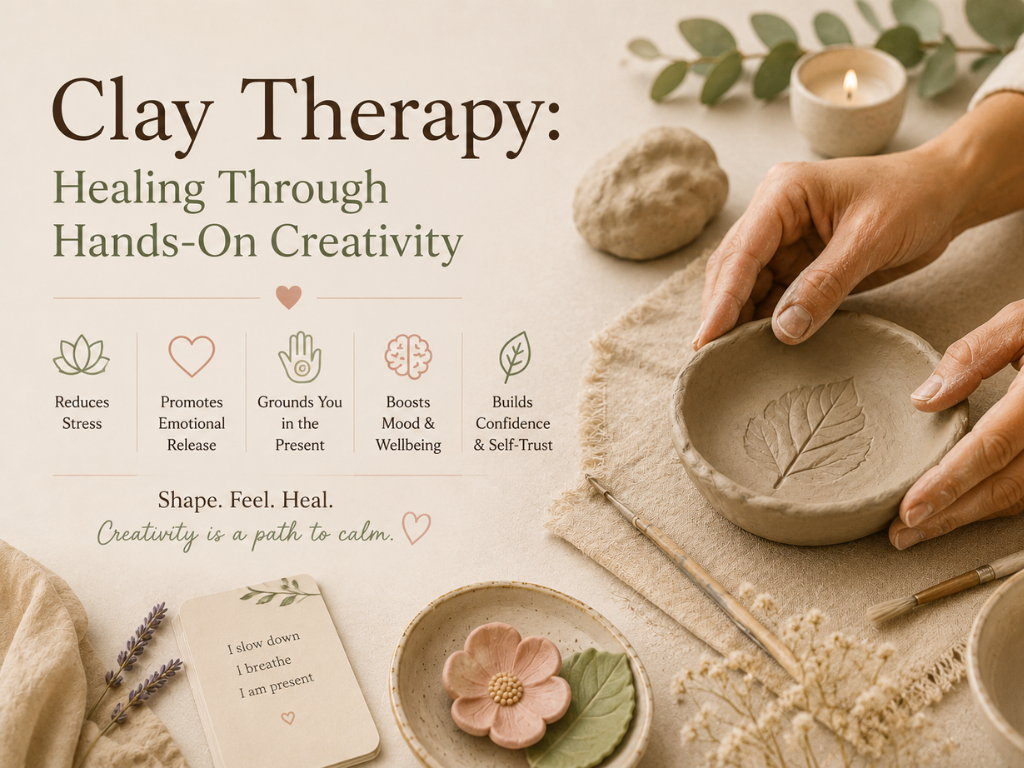
Clay therapy is a form of creative and expressive therapy that uses clay as a tool for relaxation, healing, and self-expression. It is commonly used in art therapy, counseling sessions, wellness programs, and mindfulness practices.
Unlike traditional art focused on perfection or technique, clay therapy emphasizes the process rather than the final product. The goal is not to create a masterpiece but to experience emotional release, relaxation, and personal awareness through touch and creativity.
Working with clay engages both the body and mind, making it a unique sensory experience that encourages calmness and focus.
How Clay Therapy Works
Clay is naturally tactile and responsive. As people knead, roll, squeeze, or sculpt it, they become more present in the moment. The physical interaction with clay can help release tension stored in the body while calming the mind.
The softness and flexibility of clay also allow individuals to express thoughts and emotions nonverbally. This makes clay therapy especially beneficial for those who struggle to communicate feelings through words.
Because clay can be reshaped again and again, it creates a safe environment for experimentation, creativity, and emotional exploration.
Benefits of Clay Therapy
1. Reduces Stress and Anxiety
The repetitive motions involved in shaping clay can have a calming effect on the nervous system. Focusing on touch and movement helps quiet racing thoughts and encourages relaxation.
Many people describe working with clay as meditative and grounding.
2. Encourages Emotional Release
Clay therapy allows emotions to be expressed physically and creatively. Anger, sadness, frustration, or joy can all be transformed into shapes, textures, and forms.
This process can help individuals better understand and process their emotions.
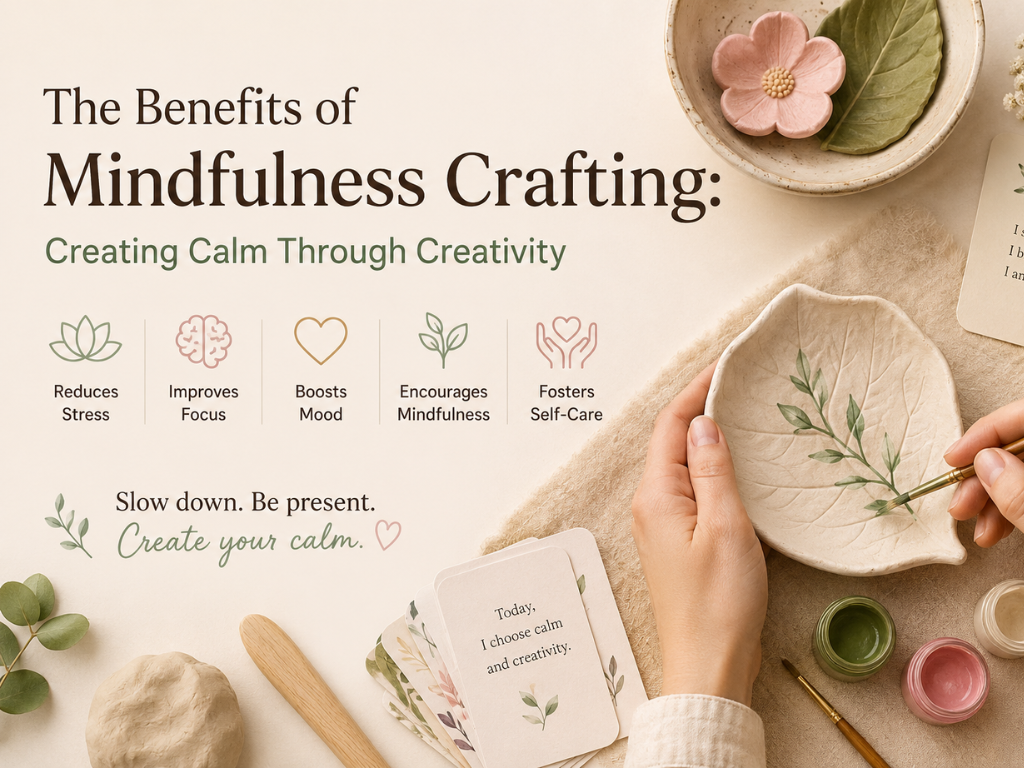
3. Improves Mindfulness and Focus
Working with clay naturally brings attention to the present moment. The sensory experience of feeling texture, temperature, and movement helps improve concentration and mindfulness.
This can provide a healthy mental break from everyday stress and digital distractions.
4. Boosts Creativity and Confidence
Clay therapy encourages freedom without strict rules or expectations. Individuals can explore ideas, experiment with designs, and create without fear of failure.
Completing a clay project often builds confidence and a sense of accomplishment.
5. Supports Mental Health and Well-Being
Creative therapies, including clay therapy, are often used to support mental health treatment. They may help reduce symptoms of anxiety, depression, emotional exhaustion, and stress.
The process of creating can also promote positive emotions and self-awareness.
6. Enhances Sensory and Motor Skills
Manipulating clay strengthens hand coordination, fine motor skills, and sensory awareness. This makes clay activities beneficial not only for emotional wellness but also for physical and cognitive development.
Clay therapy is more than an art activity — it is a powerful form of emotional and mental self-care. Through touch, creativity, and mindful attention, working with clay can reduce stress, encourage healing, and promote inner calm.
In a busy world filled with constant stimulation, clay therapy offers a simple reminder to slow down, reconnect with the present moment, and find comfort in the act of creating with our hands.